
PMA-Zeolite®: what the micro-activation changes
A defined raw material
Not all clinoptilolite is the same. What PANACEO does with the raw material before it goes into a medical device – and how this can be verified.
 AI-generated
4–7 µm
Grain size
IIb
Medical device
6 m+
Sold products
20 +
Years
What is PMA-Zeolith®?
PMA-Zeolith® is the raw material from which PANACEO medical devices are made: clinoptilolite of volcanic origin, processed using a patented method. The name is a registered trademark and refers specifically to this raw material – not to zeolite in general.
Why processing matters
Quality, purity and behaviour in the gut vary considerably depending on the deposit, processing and particle size. Two products can both state “clinoptilolite” on the packaging and still differ markedly. Therefore, the designation alone does not in itself indicate quality.
What this means for the evidence base
The clinical studies were conducted with PMA-Zeolith®. Their results cannot be applied to other zeolite products, even if those also contain clinoptilolite.
 AI-generated
The PMA activation step by step
Three stages between raw mineral and approved medical device.
-
Raw material selection
Clinoptilolite of volcanic origin is selected. Incoming inspection checks purity, clinoptilolite content and the absence of harmful substances. Material that does not meet the requirements is not processed.
-
Mechanical activation
The patented PMA process treats the crystal structure purely mechanically – without chemicals. In the process, the accessible internal surface area is increased and the grain size is brought within a defined range.
-
Quality Control and Approval
Each batch is tested for particle size (4 to 7 µm), adsorption capacity and purity. Only after passing quality control is it released for production, and it remains traceable via the batch number.
PMA-zeolite® and non-activated clinoptilolite
The table compares verifiable characteristics. How a specific third-party product performs depends on the respective manufacturer – which is why it states what to check rather than giving a blanket assessment.
| Characteristic | PMA-Zeolite® PANACEO | Other Clinoptilolite depending on the provider |
|---|---|---|
| Processing Procedure | Patented mechanical micro-activation, without chemicals | Check the manufacturer's information |
| Clinoptilolite content | over 80%, university-verified | Enquire about the percentage indicated on the packaging or ask the manufacturer |
| Grain size in micrometres | 4 to 7 µm, tested per batch | Only rarely specified |
| Product status | Medical device Class IIb, CE 0477 | Check the labelling on the packaging |
| Quality management | ISO 13485 | Check the manufacturer's specifications |
| Studies in humans | Available, verifiable via DOI | Check citation |
| Place of manufacture | Austria, Carinthia | Check origin information |
| Traceability | About the batch number | Check batch information |
Quality assurance and origin
Class IIb medical device
Intended purpose, clinical evaluation, risk analysis and instructions for use are required, as is the involvement of a notified body. Its identification number appears as CE 0477 on the packaging.
ISO 13485
The international standard for quality management systems for medical devices. Every step from the selection of raw materials to packaging is documented and monitored.
Inspection per batch
Particle size, adsorption capacity and purity are not tested just once for approval, but for every batch. The results are traceable via the batch number.
Manufacturing in Austria
Raw material selection, PMA activation and final inspection take place in Carinthia. Short distances and continuous documentation of the manufacturing chain.
Medical device, food supplement or medicinal product?
Three categories, three different procedures – they are not directly comparable.
Medical device
A medical device acts physically, not pharmacologically. For Class IIb, a defined intended purpose, a clinical evaluation, a monitored quality management system and a notified body are required. The higher the class, the more extensive the evidence the manufacturer must provide.
Food supplement
Clinoptilolite may not be sold as a food supplement in the EU – it lacks authorisation as a novel food.
Medicinal product
A medicinal product undergoes its own authorisation procedure with different requirements for evidence of efficacy. PMA-Zeolith® is not a medicinal product and is not advertised as such.
 AI-generated
What has been researched into PMA-Zeolith®
Three findings from the clinical investigations. The full overview with method, result and source is available on the studies page.
Intestinal barrier
In a randomised, double-blind study with 52 participants over 12 weeks, the marker zonulin decreased significantly.
Selective binding
Nickel, aluminium and arsenic decreased in the blood, and mineral status remained essentially stable.
No aluminium from the grid
No increase in blood aluminium levels after twelve weeks of intake; with long-term use, levels decreased.
Products with PMA-Zeolith®
All products contain the same raw material. They differ in their intended purpose and dosage form.
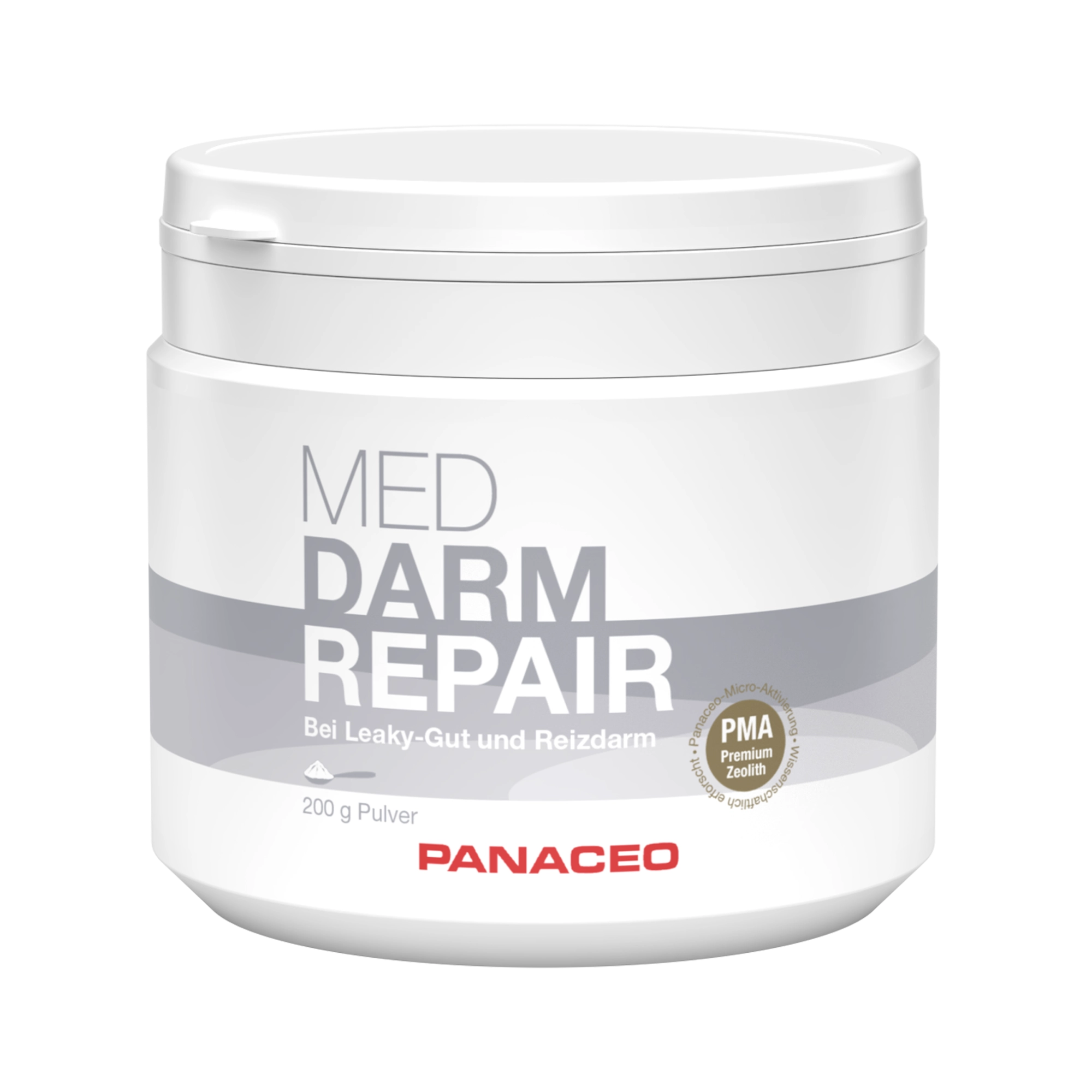
Content: 0.2 kg (€150.15 / 1 kg)

Content: 200 g (€17.45 / 100 g)
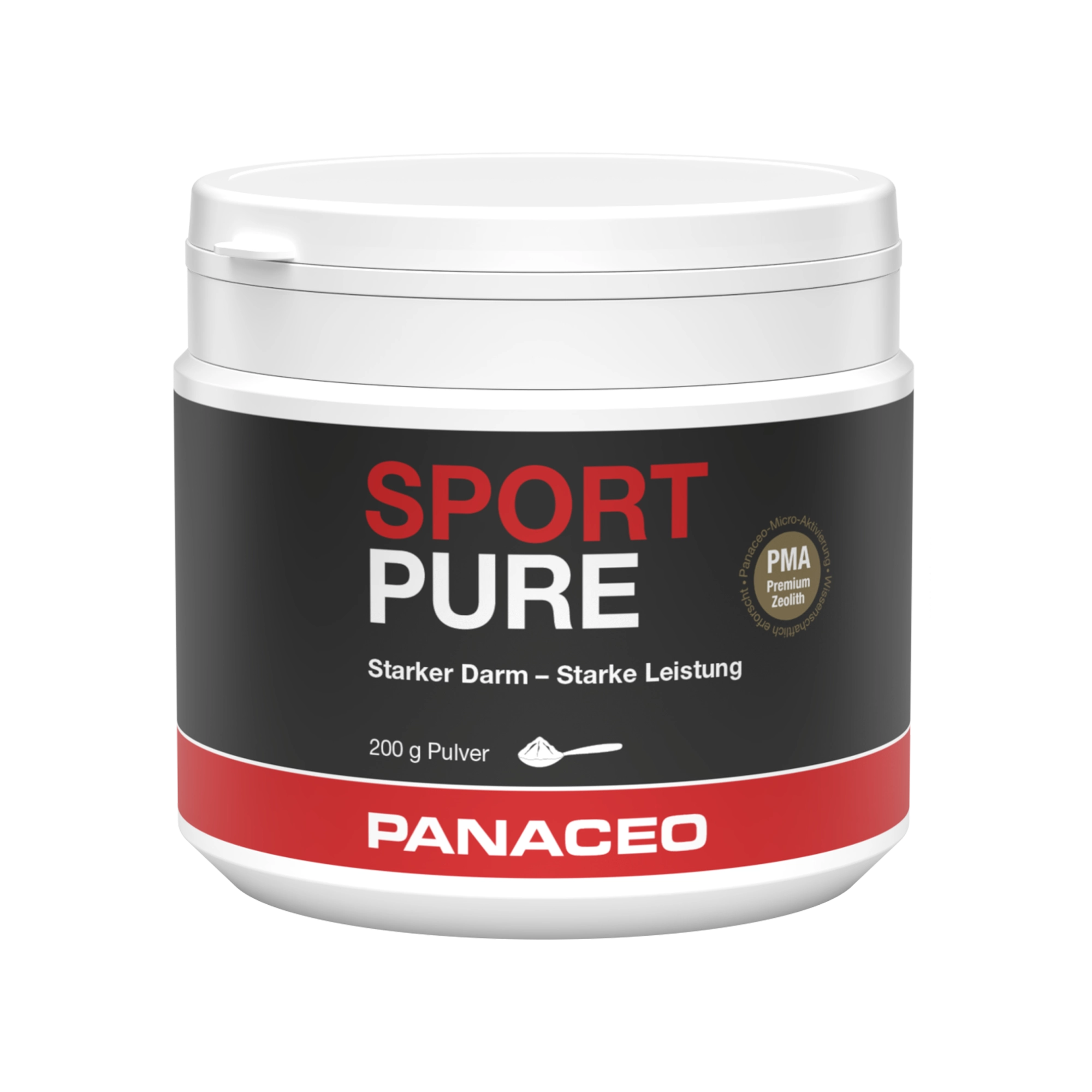
Content: 200 g (€0.17 / 1 g)
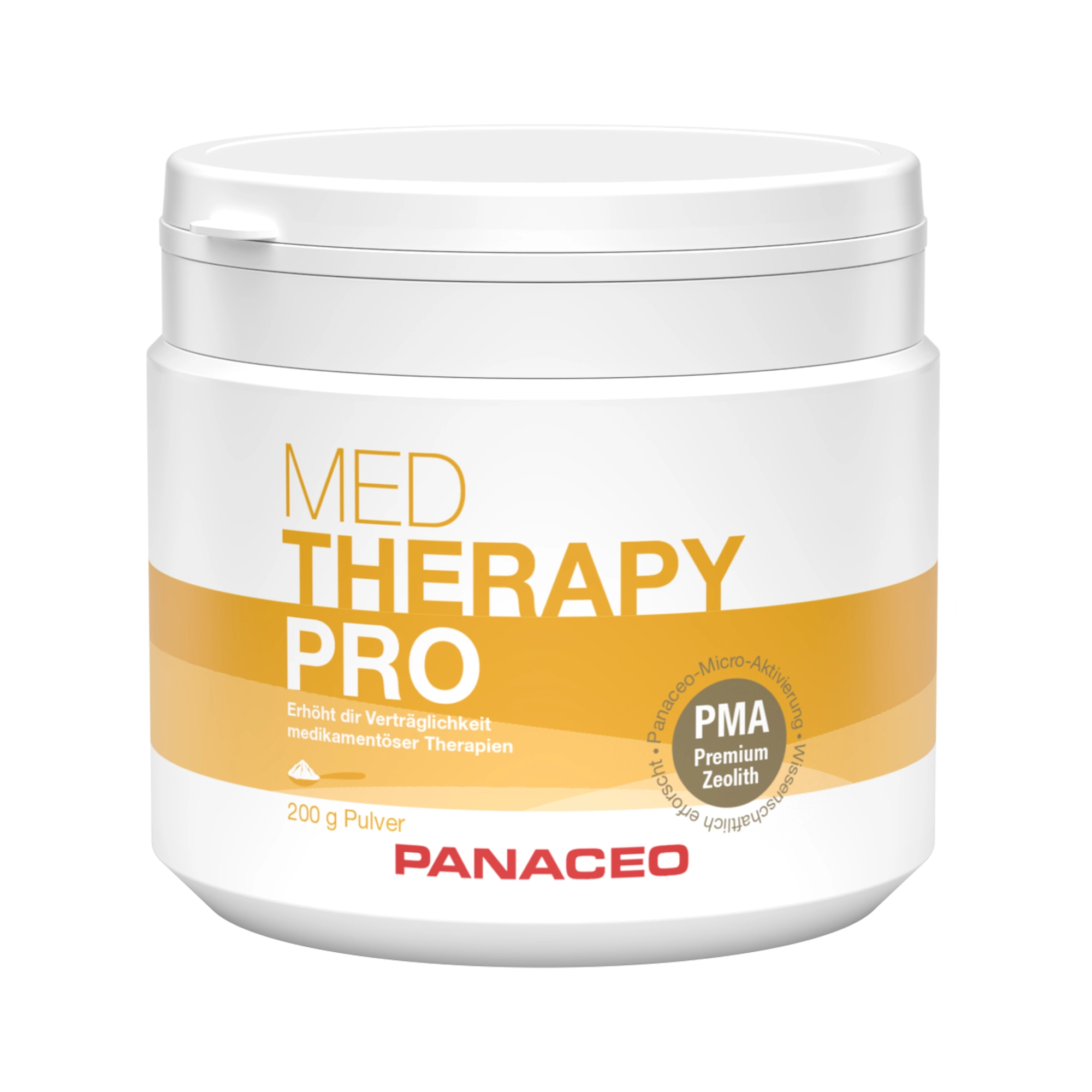
Content: 0.2 kg (€174.50 / 1 kg)
Frequently asked questions about PMA-Zeolith®


Last checked on
Find out more about zeolite
What is zeolite?
Origin, effects and tested quality
Which zeolite is the best?
How to recognise inspected items
Studies on PMA-Zeolith®
What tests are available and what they show
Taking zeolite correctly
Quantity, timing and interval in relation to medicines
Zeolite side effects
What is known and what to look out for
Zeolite, bentonite or medicinal clay?
What distinguishes the three minerals
\n