
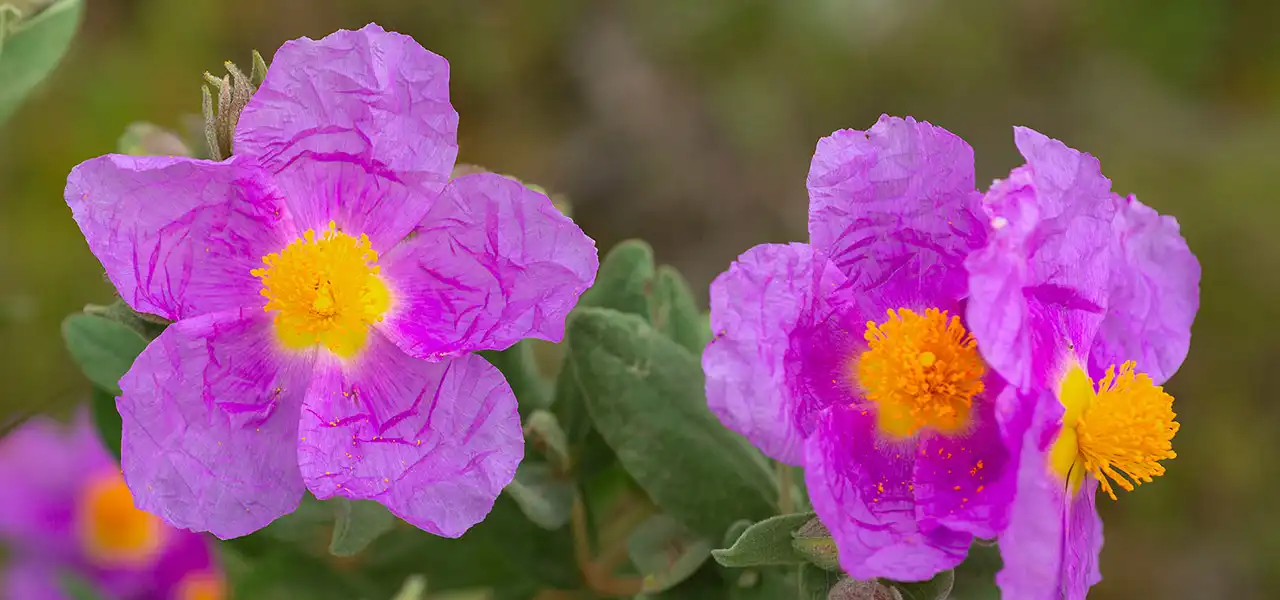
A Medicinal Plant with a Long Tradition
Rockrose has been used in Mediterranean folk medicine since ancient times. Its leaves were used to make teas and oils. Tea preparations were particularly valued for digestive discomfort. The resin secreted by the leaves was used in ointments to support wound healing and for skin conditions. The resin was also burned as incense during ritual ceremonies.
By the end of the 1990s, Cistus incanus had become established as a medicinal plant in this region, and in 1999 the German academic society Herba Historica named it “European Plant of the Year”. This further underlines the plant’s special value.
The leaves are traditionally used as a folk remedy. In food supplements, Cistus extracts with a high polyphenol content are used and are often combined with immune-supporting nutrients such as vitamin C and zinc.
Cistus Leaves Are Among Nature’s Richest Sources of Polyphenols
Cistus incanus is considered one of the edible plants richest in polyphenols. Polyphenols are secondary plant compounds associated with a wide range of health-supporting effects in the human body. They are produced only by plants and help defend them against disease and pests. In the human body, they are believed to provide particularly strong protection for your cells and overall health.
Research has already explored the potentially strong cell-protective (antioxidant) effects of Cistus incanus extract and its ability to counteract and neutralise free radicals, thereby reducing oxidative processes that may damage your cells and otherwise contribute to disease.
In addition to their antioxidant effects, polyphenols are also believed to have antimicrobial and anti-inflammatory properties.
Read More
You can learn more about secondary plant compounds and their effects in our article What Are Polyphenols?
Cistus incanus May Have Antiviral Properties
Viral infections remain a major challenge for science. This is where the Cistus plant may offer new approaches. Initial studies have shown that Cistus extracts may prevent viruses from attaching to your cells. In a sense, Cistus appears to place a “Do not enter” sign on host cells, blocking the viruses’ path inside by interfering with their ability to bind to cell surfaces. This may stop them from entering the cell and thereby inhibit viral replication and infection.
This would represent a new antiviral mechanism, as commonly used antiviral medicines generally act only at a later stage of the viral life cycle.
Cistus as a Boost for Your Immune System
There is certainly no shortage of insider tips on how to strengthen your immune system – especially in winter, when viruses are circulating again and cold feet while waiting for the train can place even more strain on already weakened defences. Cold and flu season is undoubtedly a stressful time for your body.
The plant-based boost from rockrose, vitamin C and zinc provides optimal support for your immune system.
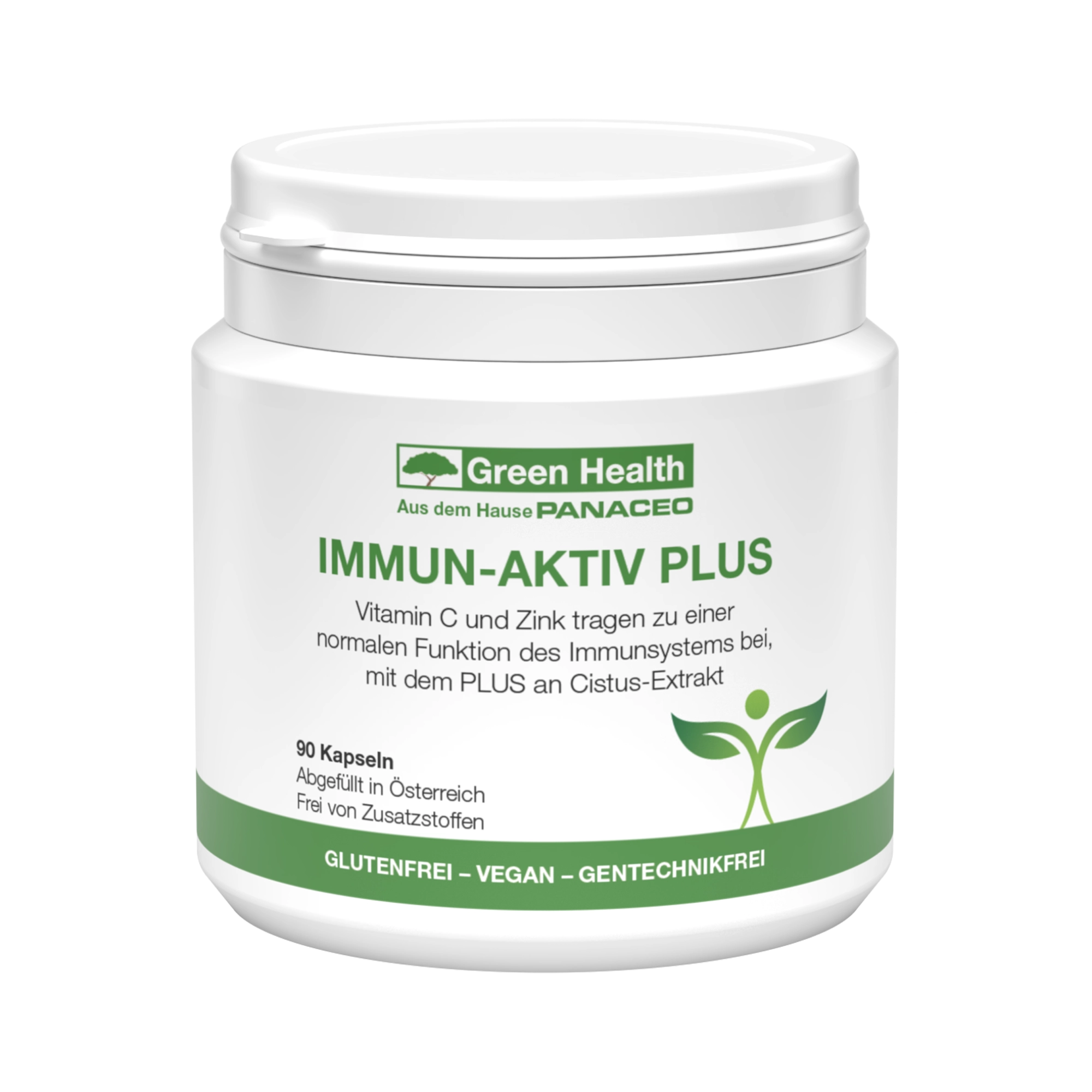
Green Health IMMUN-AKTIV PLUS
Food supplement with Cistus extract, vitamin C and zinc to support your immune system – 90 capsules, made in Austria.
Discover Product
Note: This article is for general information only and is not a substitute for medical advice, diagnosis or treatment. The properties described are based on traditional uses and the current state of research. If your symptoms persist, please consult a doctor.