

Irritable bowel syndrome (IBS) is a common disorder of the digestive system that manifests through various symptoms such as abdominal pain, bloating, diarrhoea or constipation. It is a chronic condition that can significantly affect daily life. Although the exact cause is unknown, various factors can contribute to its development – for example stress, certain foods or a disturbed intestinal flora.
Common Symptoms of IBS
Symptoms can vary from person to person, but the most common are abdominal pain, bloating, diarrhoea and constipation. These complaints can be episodic or last for a longer period. Some people also notice fatigue, nausea or increased sensitivity to certain foods.
Get it checked first
These symptoms can also occur with other conditions. An accurate medical diagnosis is therefore important to distinguish IBS from other digestive problems – before you start a new exercise routine.
The Impact of Exercise on IBS
Regular physical activity can have a positive impact on IBS. Studies suggest that sport and exercise can relieve symptoms by regulating the bowel, improving bowel motility (the bowel's "ability to move") and reducing stress. Physical activity also releases endorphins, which act as natural painkillers and improve overall well-being.
In addition, regular exercise can help regulate metabolism and aid digestion. Muscle spasms in the bowel, which can cause pain and discomfort, may also be reduced, because blood flow in the digestive tract is improved.
For example, one study of IBS patients examined a twelve-week moderate aerobic exercise programme (mainly brisk walking) and observed improvements in gastrointestinal symptoms and psychological well-being (Riezzo et al., 2023).
These Forms of Movement Can Help
- Aerobic exercise such as walking, running, swimming or cycling can increase bowel motility and aid digestion.
- Yoga & relaxation exercises can help reduce stress – one of the common triggers of complaints.
- Strength training can strengthen the muscles and help reduce cramps.
Ideally, combine different types of exercise in a way that suits your individual needs and abilities.
How to Build an Exercise Routine
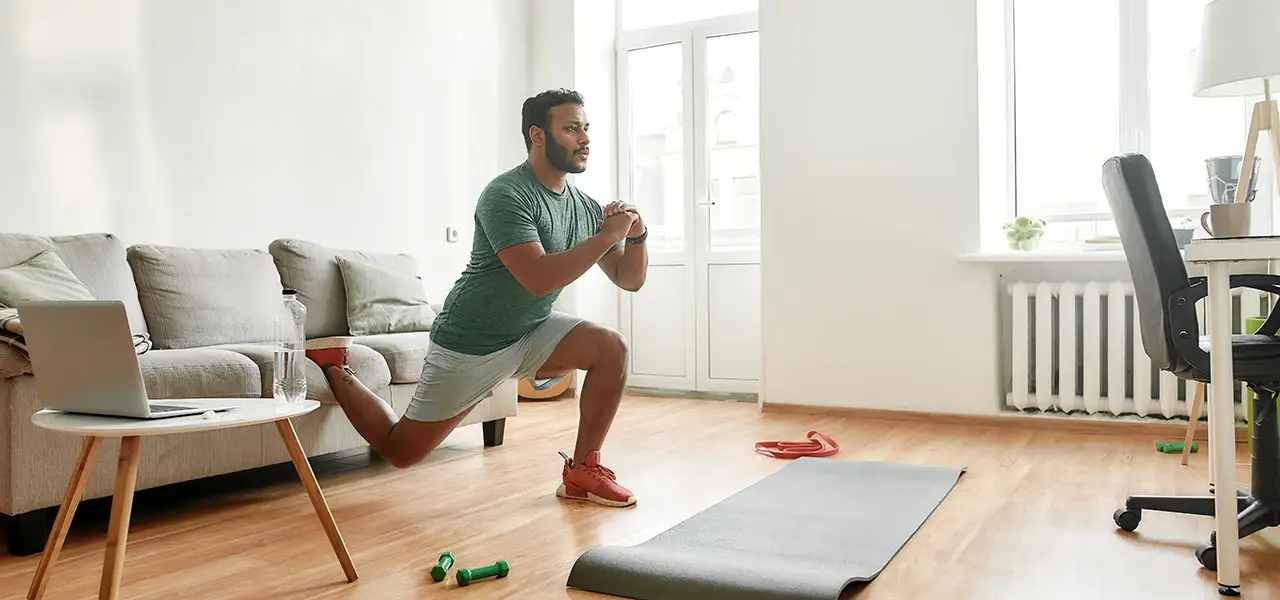
To support your symptoms effectively, a regular, well-dosed exercise routine is helpful. It is important to listen to your body and not to overexert it:
- Start slowly and gradually increase the intensity and duration of the exercises.
- Set yourself realistic goals and reward yourself for progress.
- Where possible, combine aerobic training, yoga and strength training.
- If needed, consult a doctor or a qualified trainer to develop an individual routine.
Good to know
Not every form of movement suits every person, and intense exertion can also worsen complaints. If your symptoms get worse, reduce the intensity and seek medical advice.
Conclusion: From the Couch to Relief
Sport and exercise can be an effective way to support IBS complaints: better bowel motility, less stress and improved digestion. Develop an individual routine, listen to your body – and get professional support when you need it.
Besides exercise, gut health itself also plays a role. As a complement, MED DARM REPAIR with PMA-Zeolite can support the intestinal wall. You can find more background on our page about Irritable Bowel & Leaky Gut.
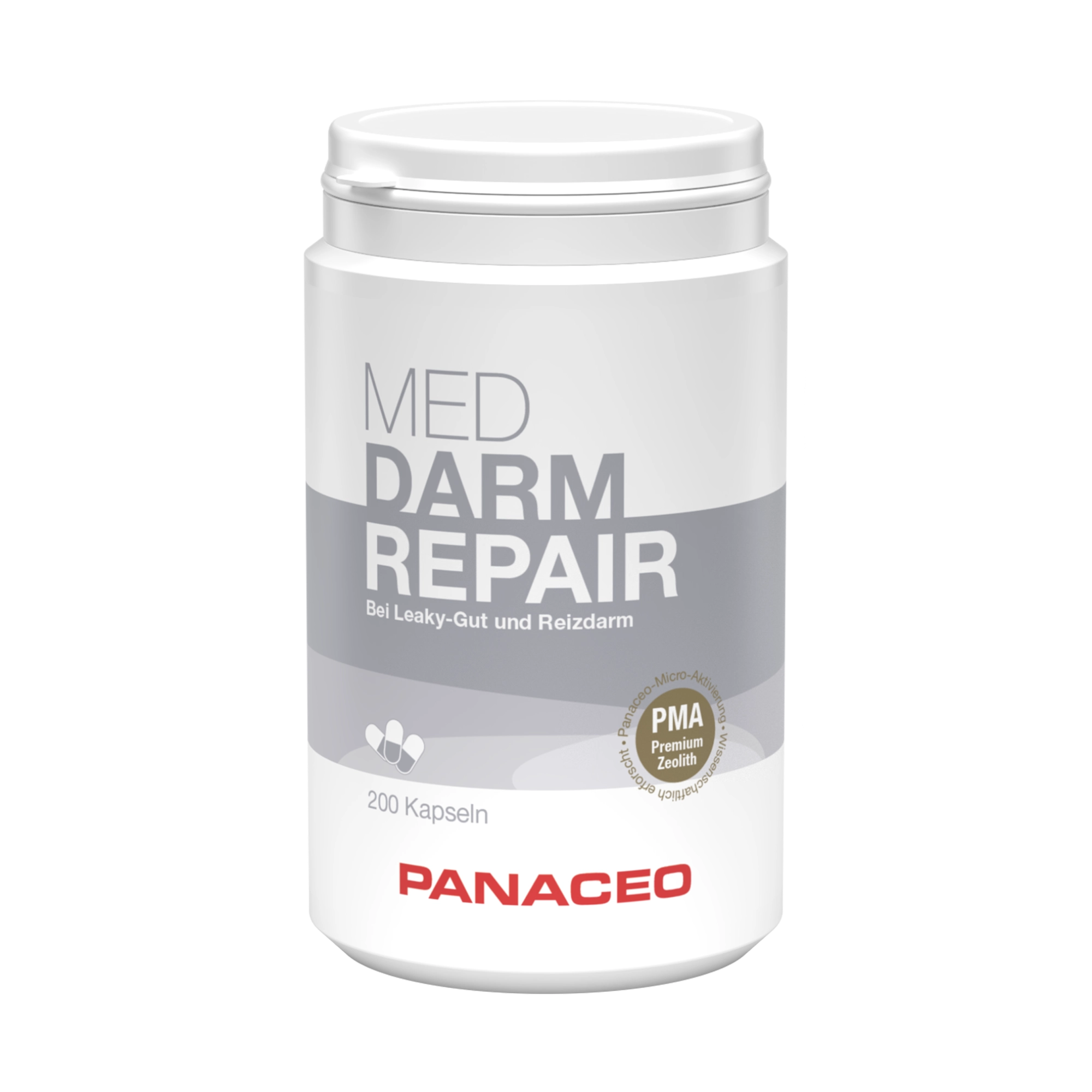
MED DARM REPAIR
Medical device with PMA-Zeolite to support the intestinal wall – as a building block alongside an active, mindful everyday life.
Discover MED DARM REPAIRNote: This article is for general information only and does not replace medical advice, diagnosis or treatment. Irritable bowel syndrome should be assessed by a doctor. MED DARM REPAIR is a medical device to support gut health. If your complaints persist or worsen, please consult your doctor.