
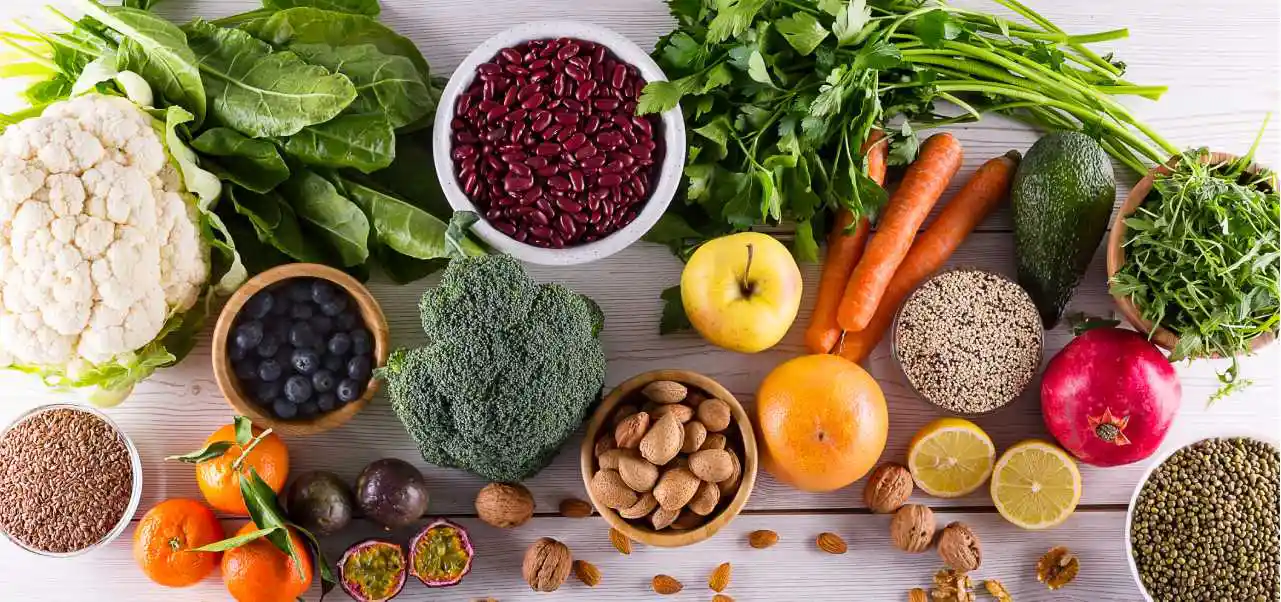
Have you ever heard of polyphenols? These natural compounds occur in various plants, fruits and vegetables and offer numerous proven health benefits. In this article you will learn what polyphenols are, which foods are rich in them and how they can have a positive effect on your health.
What Are Polyphenols?
Polyphenols belong to the phytochemicals – that is, they are naturally occurring compounds found in plants. They are known for their antioxidant properties, which help protect cells from damage by free radicals. Polyphenols can be divided into various subgroups, for example flavonoids, phenolic acids and stilbenes, each with its own health benefits.
Foods Rich in Polyphenols
There are numerous foods that are rich in polyphenols. Some of the most common sources are:
Plant-Based Freshness
- berries (blueberries, raspberries, strawberries)
- apples and grapes
- citrus fruits (oranges, lemons)
- onions, broccoli, spinach, tomatoes
Enjoyment with Benefits
- tea (green and black tea) and coffee
- red wine and dark chocolate
- nuts (almonds, walnuts, pecans)
- legumes (beans, lentils)
The Health Benefits of Polyphenols
Polyphenols have been studied extensively for their potential health benefits. Here are some of the ways they can have a positive effect on your health:
Antioxidant Properties
Polyphenols are known for their antioxidant properties. They help reduce oxidative stress in the body, which can damage cells and contribute to chronic diseases such as cancer, diabetes and heart disease.
Anti-Inflammatory Effect
Polyphenols also have an anti-inflammatory effect, which can help reduce inflammation in the body. Chronic inflammation is linked to numerous health problems, including arthritis, asthma and inflammatory bowel diseases.
Cardiovascular Health
Several studies have found that polyphenols can improve cardiovascular health by lowering blood pressure, improving cholesterol levels and reducing the risk of heart disease.
Brain Function
Polyphenols may also have a positive effect on brain function. Studies have shown that they can improve cognitive function and reduce the risk of age-related cognitive decline.
Cancer Prevention
Although further research is needed, some studies have found that polyphenols may have cancer-preventive properties. They may help prevent the growth and spread of cancer cells.
Polyphenol-Rich Recipe Tips
Now that you know which foods are rich in polyphenols, you may be wondering how to incorporate them into your diet. Here are some recipe tips to get you started:
Berry Smoothie
Blend into a nutritious smoothie:
- 1 cup mixed berries (blueberries, raspberries, strawberries)
- 1 banana
- 1 cup almond milk
- a handful of spinach
Quinoa Salad
Cook 1 cup of quinoa and mix it with:
- chopped vegetables (tomatoes, cucumbers, onions)
- nuts (almonds, walnuts)
- a vinaigrette of olive oil and lemon juice
Green Tea Latte
Brew a cup of green tea and mix it with:
- frothed milk (dairy or non-dairy)
- a touch of honey
Dark Chocolate Bark
For an antioxidant-rich treat:
- melt dark chocolate and spread it on a baking sheet
- sprinkle with chopped nuts (almonds, pistachios)
- scatter dried fruit (cranberries, apricots) on top
Polyphenols are a natural and delicious way to improve your health. By adding more polyphenol-rich foods to your diet, you can benefit from their antioxidant and anti-inflammatory properties, support your cardiovascular system and brain, and potentially reduce the risk of chronic diseases. So next time you go shopping or plan a meal, be sure to include some of these foods – your body will thank you!
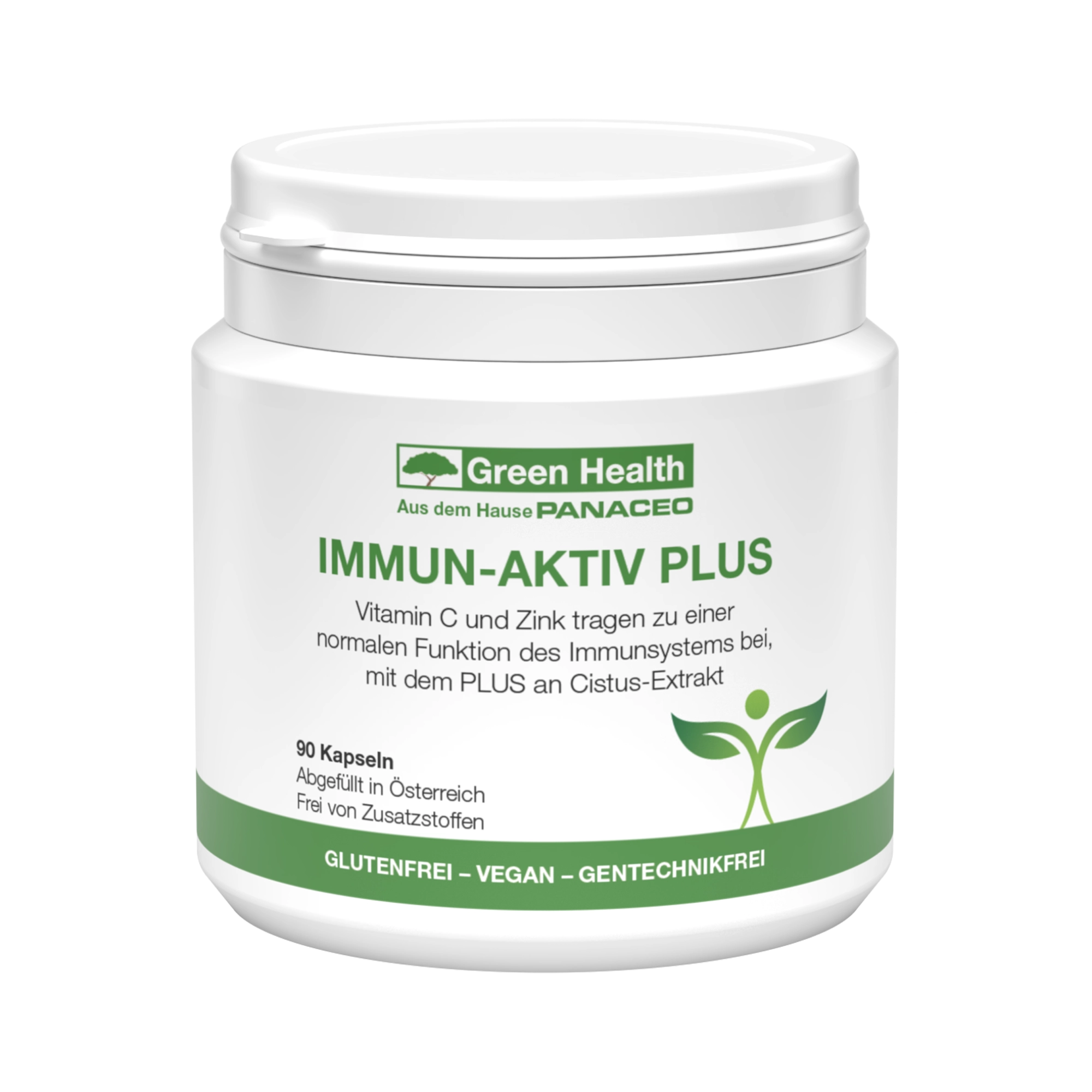
Green Health IMMUN-AKTIV PLUS
Food supplement with polyphenol-rich Cistus extract, vitamin C and zinc to support the immune system – 90 capsules, made in Austria.
Discover product
Note: This article is for general information only and is not a substitute for medical advice, diagnosis or treatment. The effects mentioned relate to the current state of research. For health questions, please consult a healthcare professional.