

If you suffer from unexplained symptoms such as headaches, fatigue or digestive problems, histamine intolerance may be behind them. Histamine is a chemical compound that the body produces naturally and that is also present in many foods. Although histamine is essential for many bodily functions, an excessively high level can cause a variety of symptoms.
What Is Histamine?
Histamine is a chemical compound produced by mast cells in the body. Mast cells are a type of white blood cell essential for the smooth functioning of the immune system. Histamine is involved in many bodily functions – including digestion, wound healing and the regulation of the sleep-wake cycle. It also plays a role in the body’s response to allergens and pathogens, triggering an inflammatory reaction that helps fend off intruders.
Histamine is present in many foods, such as fermented products, aged cheese and cured meat, as well as in some medications such as aspirin and antibiotics. If the body produces too much histamine or it is consumed in excess, this can lead to histamine intolerance.
How Does Histamine Intolerance Arise?
The role of diamine oxidase (DAO)
Histamine intolerance arises when the body cannot break down histamine effectively. This is often due to a deficiency of the enzyme diamine oxidase (DAO), which is responsible for breaking down histamine in the digestive tract. When histamine accumulates, it can cause a variety of symptoms.
Symptoms of Histamine Intolerance
- headaches / migraine
- fatigue
- skin rash / hives
- digestive problems (diarrhoea, abdominal pain, bloating)
- runny nose
- anxiety
- irregular menstrual cycles
- insomnia
- dizziness (vertigo)
- flushing
Important
If you experience one or more of these symptoms, talk to your doctor to clarify whether histamine intolerance could be the cause.
6 Dietary Tips for Histamine Intolerance
If you have been diagnosed with histamine intolerance, a change of diet is an important step towards reducing the symptoms.
1. Avoid high-histamine foods – choose low-histamine ones
High in histamine
- fermented foods (sauerkraut, kimchi, kefir)
- aged cheese
- cured meats (salami, bacon)
- shellfish
- spinach and tomatoes
- chocolate
Low in histamine
- fresh fruit (except citrus fruits)
- fresh vegetables (except spinach and tomatoes)
- fresh, non-cured meat
- eggs
- gluten-free grains (rice, quinoa, corn)
- herbal teas (chamomile, peppermint)
2. Consider a low-histamine diet
On a low-histamine diet, all high-histamine foods are avoided and only low-histamine foods are eaten for a certain period – usually two to four weeks. This can relieve the symptoms and give the body the chance to heal. After this elimination phase, high-histamine foods can be reintroduced slowly to identify which ones trigger symptoms.
3. Support DAO production
Supplements such as vitamin C, vitamin B6 and copper can support DAO production. Probiotics can also improve gut health and support the breakdown of histamine.
4. Avoid alcohol and smoking
Both alcohol and smoking can raise histamine levels in the body and worsen the symptoms. Avoiding them can help reduce complaints and improve overall health.
5. Zeolite for histamine intolerance
According to the manufacturer, the PMA-Zeolite contained in MED DARM REPAIR also has the ability to bind histamine. Taking it can therefore have supportive positive effects in histamine intolerance – and in allergies in general.
6. Seek medical advice
If you suspect histamine intolerance, you should seek medical advice to determine the best course of action and rule out other causes.
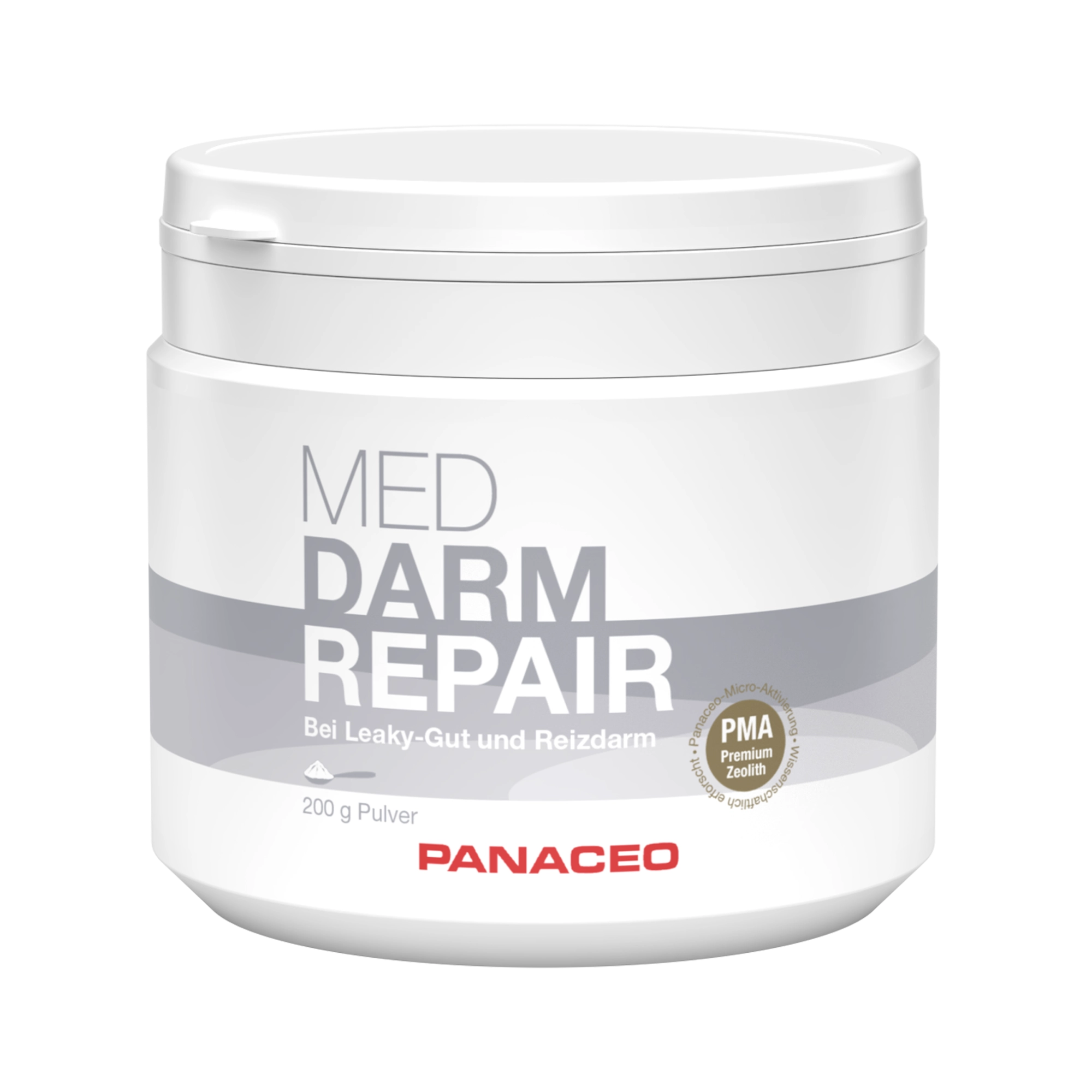
PANACEO MED DARM REPAIR Powder
Medical device with PMA-Zeolite to support the intestinal barrier. According to the manufacturer, the PMA-Zeolite it contains can bind histamine in the gut.
Discover productConclusion
Histamine intolerance can cause a variety of symptoms, but these can be effectively managed with a change of diet and other strategies. If you suspect you are affected, talk to your doctor to determine the best course of action.

Note: This article is for general information only and is not a substitute for medical advice, diagnosis or treatment. If you have persistent or unclear complaints, please consult a doctor.