
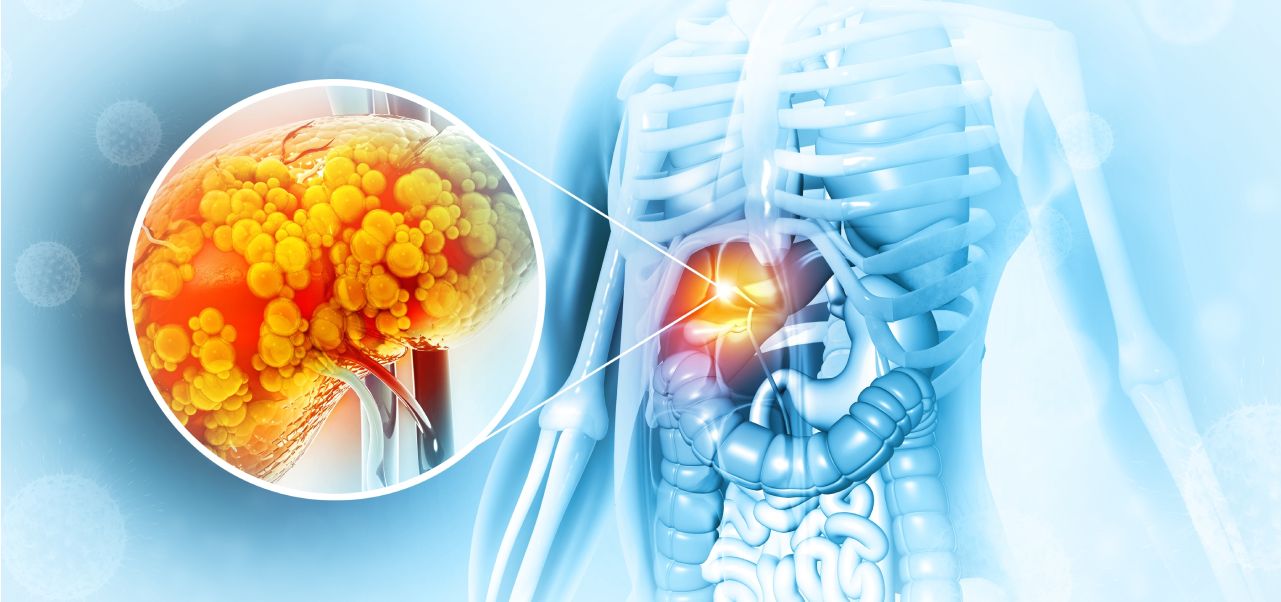
If you have been diagnosed with fatty liver, you are not alone. It is a common condition that affects millions of people worldwide. In fatty liver, excess fat accumulates in the liver cells, which can lead to inflammation and damage. Non-alcoholic fatty liver disease (NAFLD) is becoming increasingly common and affects up to 25% of the population.
What Is Fatty Liver?
Definition
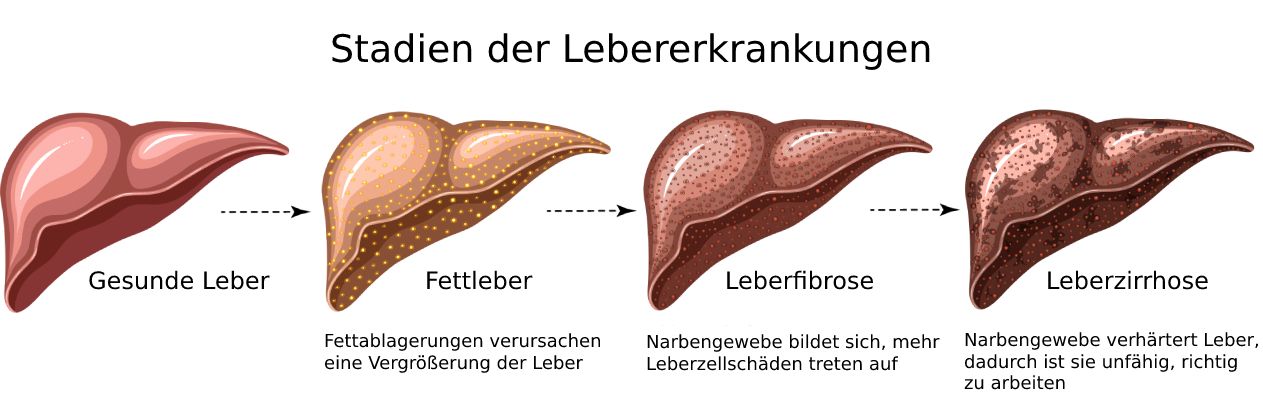
Fatty liver (hepatic steatosis) is a condition in which excess fat accumulates in the liver. A small amount of fat is normal – but when it exceeds 5–10% of the liver's weight, it is called fatty liver.
There are two main types: alcoholic fatty liver disease (AFLD) and non-alcoholic fatty liver disease (NAFLD). AFLD is caused by excessive alcohol consumption, while NAFLD is associated with factors such as obesity, insulin resistance and high blood sugar levels.
Symptoms of Fatty Liver
Fatty liver disease is often asymptomatic – meaning it causes no noticeable complaints. Some people, however, may experience fatigue, abdominal pain and a feeling of pressure in the upper right abdomen. In severe cases, fatty liver can lead to liver scarring, liver failure and liver cancer. That is why it is important to have the condition assessed and treated by a doctor at an early stage.
Dietary Tips for Fatty Liver
Diet plays a decisive role in fatty liver disease and can – as part of a medically or nutritionally supervised change – contribute to prevention and improvement. These recommendations are considered helpful:
Keep an eye on energy intake
Since obesity is a central factor, a balanced energy intake can help – for example through suitable portion sizes, more fruit and vegetables and fewer heavily processed foods. Ideally with medical or nutritional guidance.
Reduce sugar
Excessive sugar consumption is linked to the development of fatty liver. Sugary drinks, sweets and heavily sweetened convenience products are easy to cut back on.
Get more fibre
High-fibre foods such as fruit, vegetables and wholegrain products promote satiety and help regulate blood sugar levels.
Choose healthy fats
Not all fats are unfavourable. Healthy fats from nuts, seeds and oily fish provide omega-3 fatty acids with anti-inflammatory properties.
Limit alcohol
With alcoholic fatty liver, it is important to limit or completely avoid alcohol – it is one of the main causes of liver damage.
Preventive Measures
Prevention is better than cure. These measures can lower your risk of fatty liver:
Aim for a healthy weight
Excess weight is an important risk factor. A balanced diet and regular exercise can help maintain a healthy weight.
Exercise regularly
Exercise helps burn excess fat, reduce inflammation and improve insulin sensitivity.
Manage diabetes well
High blood sugar and insulin resistance are important risk factors. With diabetes, good management through diet, exercise and – as directed by a doctor – medication is important.
Avoid unnecessary medication
Some medications can burden the liver. Take medication only as directed by a doctor and avoid unnecessary use.
Our Recommendation for Fatty Liver
Alongside a medically coordinated therapy and a healthy lifestyle, MED DARM REPAIR can play a supportive role. MED DARM REPAIR is a natural, certified medical device and contains 100% PMA-Zeolite. The specially processed PMA-Zeolite binds pollutants in the gut; according to the manufacturer, it can have a favourable effect on blood lipids and liver values.
Please note
MED DARM REPAIR is not a cure for fatty liver and does not replace medical treatment. We recommend discussing its use with your doctor – as a possible complement to your therapy, not as a substitute.
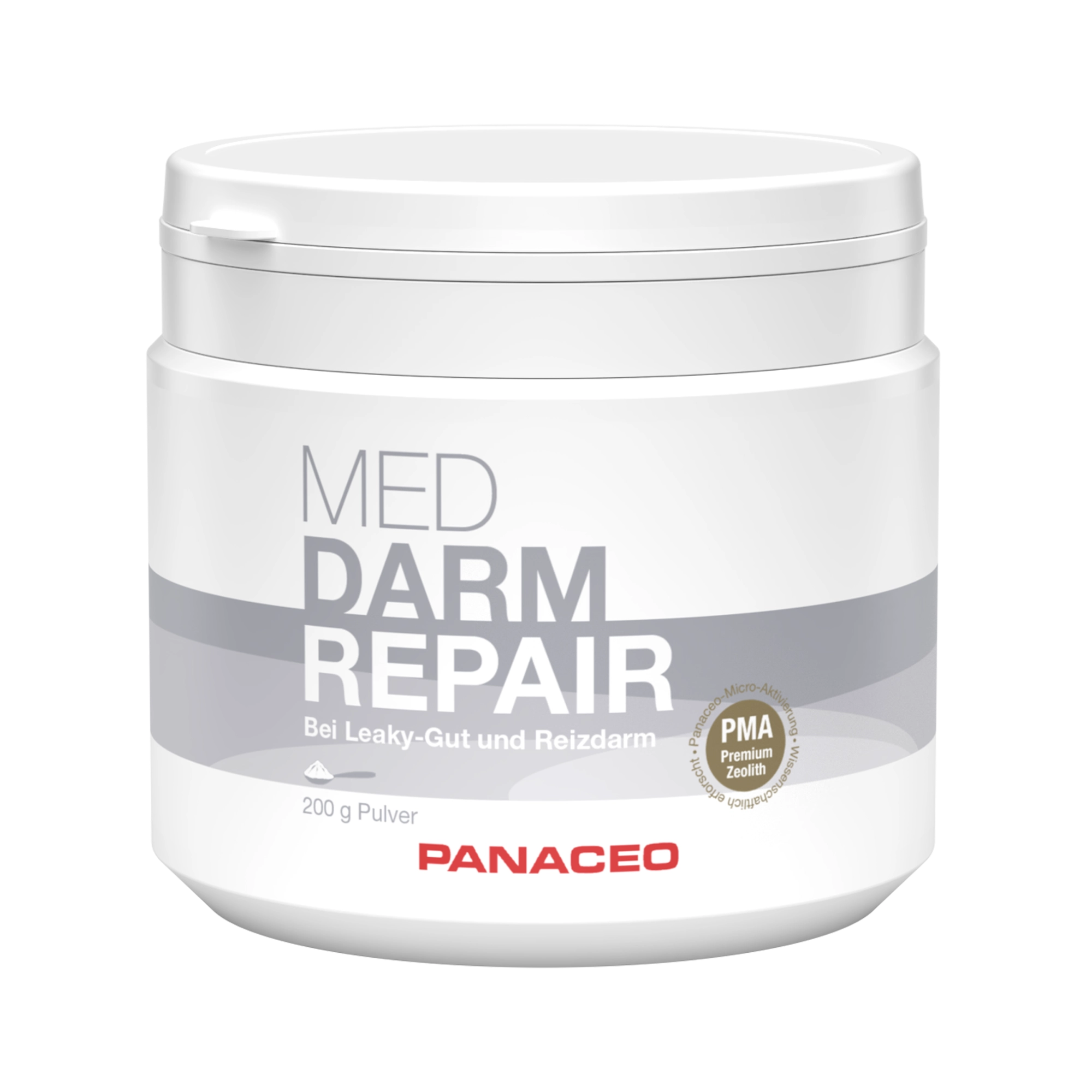
PANACEO MED DARM REPAIR Powder 200 g
Certified medical device with 100% PMA-Zeolite to support gut health – as a complement to a medically supervised therapy.
Discover productConclusion: Fatty liver disease can be well managed through dietary changes, exercise and – as directed by a doctor – medication. Early diagnosis and treatment are important to avoid complications. Those who eat healthily, maintain a healthy weight and exercise regularly can significantly reduce their risk.

Note: This article is for general information only and does not replace medical or nutritional advice, diagnosis or treatment. Fatty liver should be assessed and treated by a doctor. MED DARM REPAIR is a medical device to support gut health and not a cure for fatty liver. Please discuss its use with your doctor.